CBG Edibles
-
GMP certified
-
Lab Tested
-
Formulated In House
-
30 Day Happiness Guarantee
-
1+ Million Products Sold
-
GMP certified
-
Lab Tested
-
Formulated In House
Products in this collection:
Gold Reserve Gummies
Premium strength for serious relief. 50 mg CBD, 25 mg CBG delivers enhanced mood elevation and deep relaxation for life's bigger challenges.
As Seen On
-
Observer
-
Merry Jane
-
People
-
Pop Sugar
-
Cosmopolitan
Hemp done right, so you feel right.

It's our mission to make you feel better. Here's how we do it.
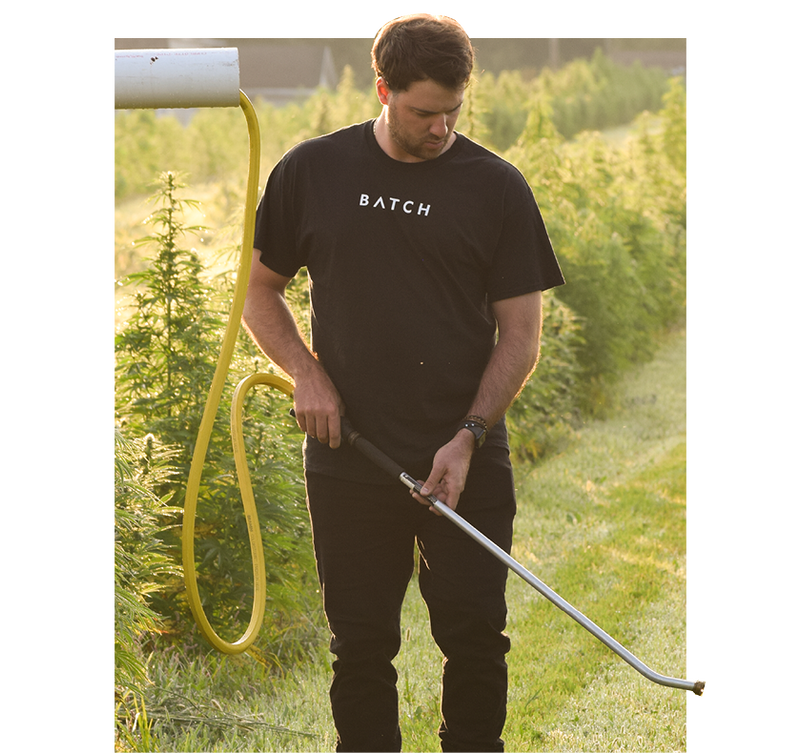
Connected to the source
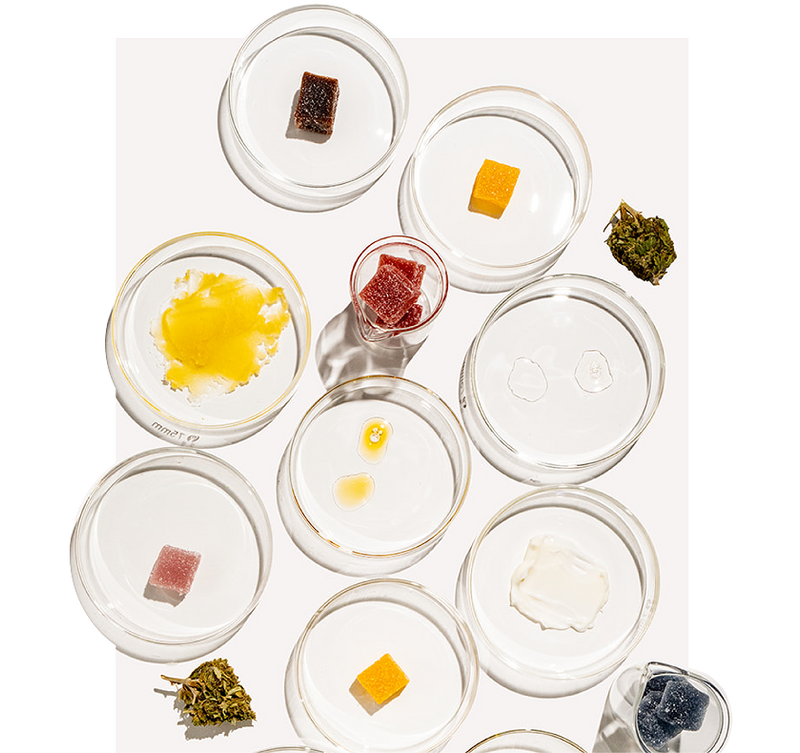
Formulated In-House
Delivered Direct
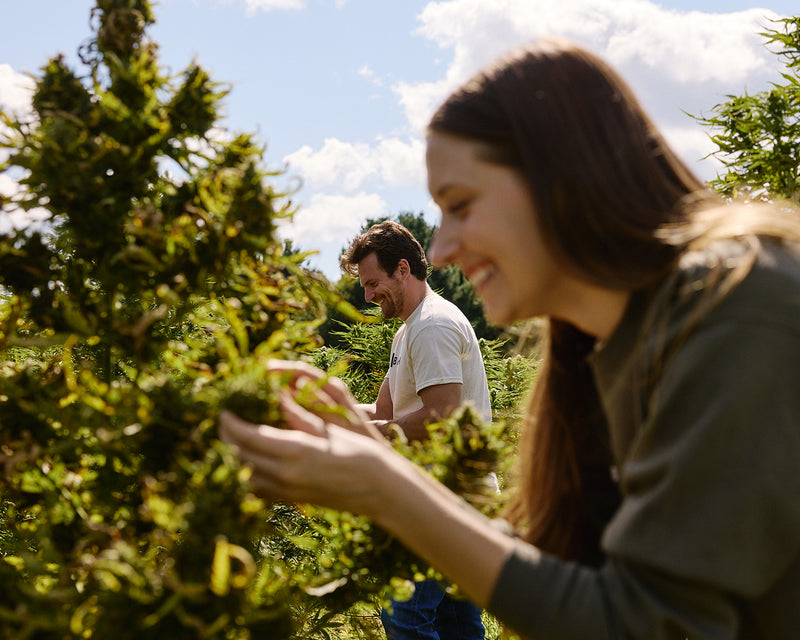
Supreme Quality Control
Rooted in realness.
Born from the bond of three lifelong friends, our mission is to restore trust and authenticity to an industry that’s often lost its way. With a deep commitment to quality and care, we craft hemp products guided by science and inspired by nature—so you can feel your best, naturally.
-
1+ Million Products Sold
-
Established In 2018
-
20 Dedicated Employees
CBG Edibles
Curiosity tends to spark the moment someone hears there's more to hemp than just CBD. CBG edibles are stepping into the scene with quiet confidence, offering a new way to experience the hemp plant’s complexity, without the intensity of THC or the familiarity of CBD. Often described as the “mother” of cannabinoids, CBG may be the starting point for many others, but it’s carving out a space all its own in the wellness world.
What Are CBG Edibles?
CBG edibles are ingestible hemp-based products infused with cannabigerol (CBG), a non-intoxicating cannabinoid that naturally occurs in the cannabis plant. Unlike THC, CBG doesn’t produce a “high,” and unlike CBD, it’s often found in much smaller concentrations, making it a bit of a hidden gem in the cannabinoid lineup.
What sets CBG apart is its role as a chemical precursor to several other cannabinoids, including CBD and THC. Because of this, it’s sometimes referred to as the “mother” or “stem cell” cannabinoid. When used in edible form, CBG may offer a slower, more sustained release compared to inhaled formats, which some users suggest contributes to a more balanced and lasting experience.
CBG edibles often come in the form of gummies, chews, or other convenient formats, and they’re typically blended with other cannabinoids, like CBD, to create a more well-rounded profile. Depending on the formulation, they may also include functional botanicals or adaptogens aimed at supporting various wellness goals. That said, individual responses vary, and it’s always best to speak with a healthcare provider before introducing a new cannabinoid into a personal routine.
How Is CBG Different From CBD Or THC?
CBG edibles may feel familiar to those who already use CBD or THC products, but CBG brings its own unique characteristics to the table. Each of these cannabinoids interacts differently within the body, which helps explain the wide range of experiences people report. Here’s a closer look at how CBG compares to its more well-known counterparts:
CBG Vs. CBD
Although both are non-intoxicating cannabinoids, CBG and CBD engage with the body’s systems in slightly different ways. CBG has been shown in preliminary research to interact with certain receptors that CBD may not directly influence, which could lead to a different experience altogether. While they share some overlap, the nuances in how they work might explain why users report varied effects from one versus the other.
CBG Vs. THC
THC is best known for producing a psychoactive effect, or a “high”, while CBG does not appear to create that kind of response, even at higher doses. CBG interacts more subtly with the brain’s receptors and may offer a gentler experience, especially for those who are sensitive to THC. It's important to note, though, that CBG may still contribute to the overall effect when blended with THC or other cannabinoids, depending on the product.
Why CBG Is Less Common
CBG is typically found in much smaller amounts in the hemp plant compared to CBD or THC, which makes it more difficult to extract in large quantities. Because it acts as a precursor to other cannabinoids, farmers must harvest hemp at a very specific point in its growth cycle to isolate CBG effectively. This added complexity often leads to higher production costs, which is why CBG-infused products are still less widely available.
What Are The Benefits Of CBG Edibles?
CBG edibles are gaining attention in the cannabinoid world, not just for their novelty but for the unique experiences they may offer. While research on CBG is still in early stages, users have reported a variety of perceived benefits depending on their personal goals and body chemistry. Below are some commonly discussed themes in the CBG space:
A Potentially More Focused Experience
Some users describe CBG as offering a clearer or more “mentally awake” experience compared to CBD. While CBD may lean toward relaxation, CBG edibles are sometimes associated with supporting daytime balance. These observations are anecdotal and may not apply to everyone, but they’ve helped spark growing interest in CBG-forward formulas.
Often Paired With CBD For A Balanced Effect
Many CBG edibles are blended with CBD to promote what’s commonly referred to as the entourage effect, the idea that cannabinoids may work better together than in isolation. This combination may allow users to experience a broader spectrum of hemp’s properties in one product. While this isn’t a guarantee of results, the theory has made dual-cannabinoid gummies a popular choice.
Convenient, Pre-Measured Format
Edibles offer a simple way to incorporate cannabinoids into a daily routine without measuring droppers or dealing with oils. Each gummy or chew typically contains a consistent amount of CBG, making it easier to track intake over time. This format may appeal to those who prefer consistency and convenience.
Longer-Lasting Support Compared To Inhalables
Because edibles are processed through the digestive system, CBG may be released more gradually into the bloodstream compared to inhaled forms. This slower onset is often paired with a longer-lasting effect, which some users prefer for sustained support throughout the day. While timing can vary from person to person, the extended duration is one reason edibles remain a popular option.
What To Look For In A Quality CBG Edible
Not all CBG edibles are created equally, and for those exploring this cannabinoid for the first time, it helps to know what separates a well-made product from one that may fall short. Everything from how the hemp is grown to how the final product is tested plays a role. Here are a few key factors to consider when evaluating CBG edibles:
- Transparent Sourcing and Testing: A trustworthy brand should be transparent about where its hemp originates and how it’s processed. Look for edibles that are third-party lab tested, with clear access to Certificates of Analysis (COAs) that show cannabinoid content and screen for potential contaminants. This level of transparency may help users feel more confident about what they’re consuming.
- Accurate, Clearly Labeled Dosing: High-quality CBG edibles should provide consistent, measurable doses in each piece, ensuring precise dosing. Labels should specify how much CBG and any other cannabinoids are included per serving, so users can adjust their intake over time if needed. Avoid products with vague or confusing labels that don’t match what’s inside.
- Thoughtful Formulation: Some of the most effective CBG edibles are those that combine CBG with other supportive ingredients, whether that’s CBD, functional botanicals, or flavor-forward additions. Look for a formulation that reflects intention, not just trendiness. Ingredients should complement each other without unnecessary fillers or synthetic additives.
- Reputation and Customer Feedback: Brands that stand behind their products often have a visible track record, whether through customer reviews, educational resources, or a strong return policy. Checking feedback from other users may provide helpful insight into overall satisfaction. Just keep in mind that personal experiences with CBG edibles may vary.
When Should You Take CBG Edibles?
Timing matters when it comes to cannabinoids, especially with edibles, which tend to take longer to take effect. While there’s no one-size-fits-all answer, certain windows in the day may pair better with CBG depending on someone’s lifestyle and formulation preference. Here’s a look at a few common timing considerations when it comes to CBG edibles:
Morning Or Midday For A Balanced Start
Some users prefer to take CBG edibles earlier in the day, especially if the product is formulated to support clarity or focus. Because of its non-intoxicating nature, CBG may be more approachable for daytime use than THC-based options. When blended with CBD, it may offer a steadier start without overwhelming the senses.
Before Tasks That Require Mental Engagement
Anecdotally, CBG has been linked to a more alert or “dialed-in” feeling, which is why it’s sometimes used ahead of mentally engaging activities. While this varies widely, edibles taken 30–60 minutes before a task may align better with the body’s digestive timeline. This approach may be helpful for those who prefer a slow onset.
Evening Use, Depending On The Formula
Although CBG is often described as a daytime cannabinoid, some formulas combine it with CBD or botanicals designed for wind-down routines. In these cases, timing it closer to the evening may be appropriate. As always, it’s important to start low and observe how the body responds over time.
Read also:
- CBN vs CBG: What's The Difference & Which One Should You Choose?
- CBD, CBN, CBG, Or THC: Which Is The Best Post Workout Recovery?
- Edible Dosage: Find The Right Amount For You
Sources:
- Dominik Duczmal, Aleksandra Bazan-Wozniak, Niedzielska, K., & Pietrzak, R. (2024). Cannabinoids—Multifunctional Compounds, Applications and Challenges—Mini Review. Molecules, 29(20), 4923–4923. https://doi.org/10.3390/molecules29204923
- Stella, N. (2023). THC and CBD: Similarities and differences between siblings. Neuron, 111(3). https://doi.org/10.1016/j.neuron.2022.12.022
- Das, P. C., Vista, A. R., Tabil, L. G., & Baik, O.-D. (2022). Postharvest Operations of Cannabis and Their Effect on Cannabinoid Content: A Review. Bioengineering, 9(8), 364. https://doi.org/10.3390/bioengineering9080364
Yes, CBG edibles made from hemp containing less than 0.3% THC are federally legal under the 2018 Farm Bill. However, individual states may have additional restrictions on cannabinoid products. Always check local laws before purchasing or traveling with CBG edibles.
CBG edibles should be stored in a cool, dry place and kept sealed tightly to preserve their freshness. Exposure to heat, humidity, or sunlight may affect the consistency and potency of these products. Original packaging is typically designed to maintain quality for as long as possible.
Yes, most CBG edibles are flavored to improve taste and make them more enjoyable to consume. Flavors often include natural fruit options, such as citrus, berry, or tropical blends. These flavor profiles are designed to complement the earthy notes of hemp extract.
Definitely, CBG isolate contains only pure CBG, while full-spectrum formulations include additional cannabinoids, flavonoids, and terpenes. Some users prefer full-spectrum for a more complete hemp experience. Reading the lab results or ingredient list will help identify which type is being used.
CBG is typically extracted from young hemp plants during a specific point in their growth. Methods like CO₂ extraction are commonly used to pull out cannabinoids while preserving purity. Timing and technique both play major roles in producing high-quality CBG.
Some people include CBG edibles in their pre-activity routine, depending on the desired outcome and how their body responds. The slower onset of edibles means timing is crucial, especially when taken before exercise or physical activity. As always, starting with a low dose may be the most balanced approach.