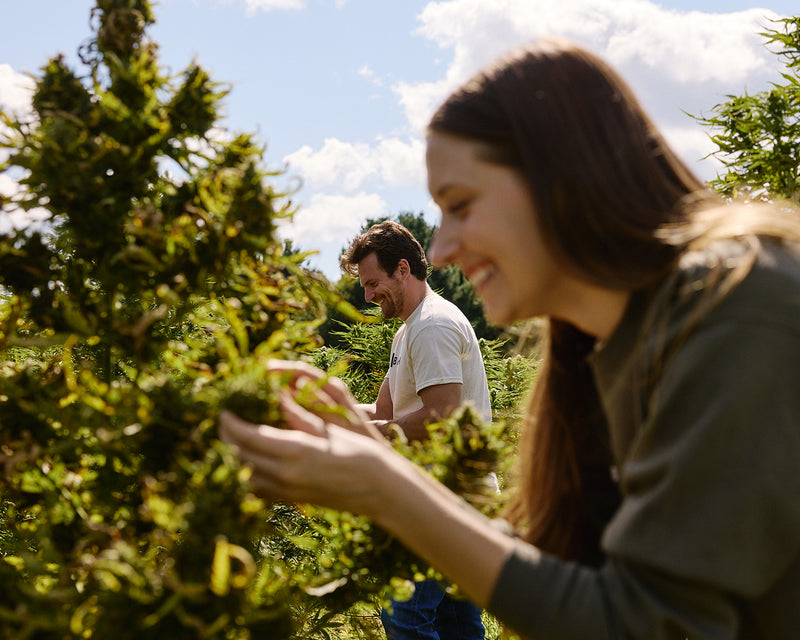
CBD gummies no THC are generally legal in the United States if they are derived from hemp and contain less than 0.3% THC, as outlined in the 2018 Farm Bill. However, laws can vary by state, and some regions place additional restrictions on hemp-derived products, even those labeled THC-free. It’s always a good idea to check local guidelines to ensure that a product meets legal requirements where it’s being used or purchased.
When it comes to safety, starting with professional guidance is key. Speaking with a doctor or healthcare provider before adding CBD gummies to a routine may help avoid unwanted interactions with medications or health concerns. Even without THC, individual responses to CBD may vary, and a tailored approach is often the most reliable path forward.
What To Look For When Shopping For THC-Free CBD Gummies
With so many hemp products available, choosing the right CBD gummies no THC comes down to a few key factors. Transparency, ingredient quality, and third-party testing all play a role in finding a product that aligns with personal wellness goals. Below are some helpful points to keep in mind when comparing options:
Clear Labeling And THC-Free Certification
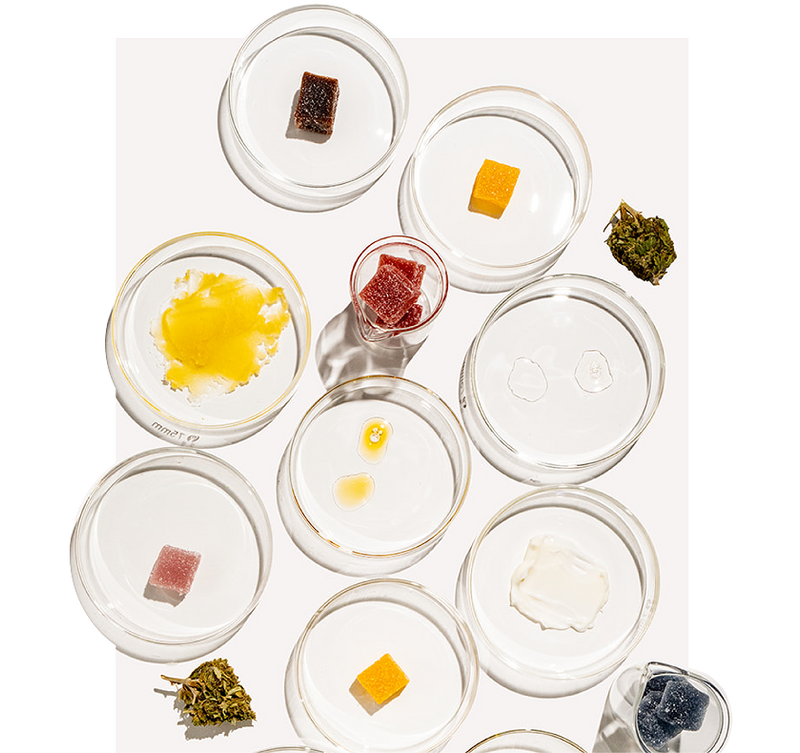
Look for brands that clearly label their gummies as THC-free, ideally specifying whether they use CBD isolate or broad-spectrum extract. Reputable companies often include lab results or batch reports that confirm the absence of THC. This extra layer of transparency may offer more confidence in what’s being purchased.
Third-Party Lab Testing
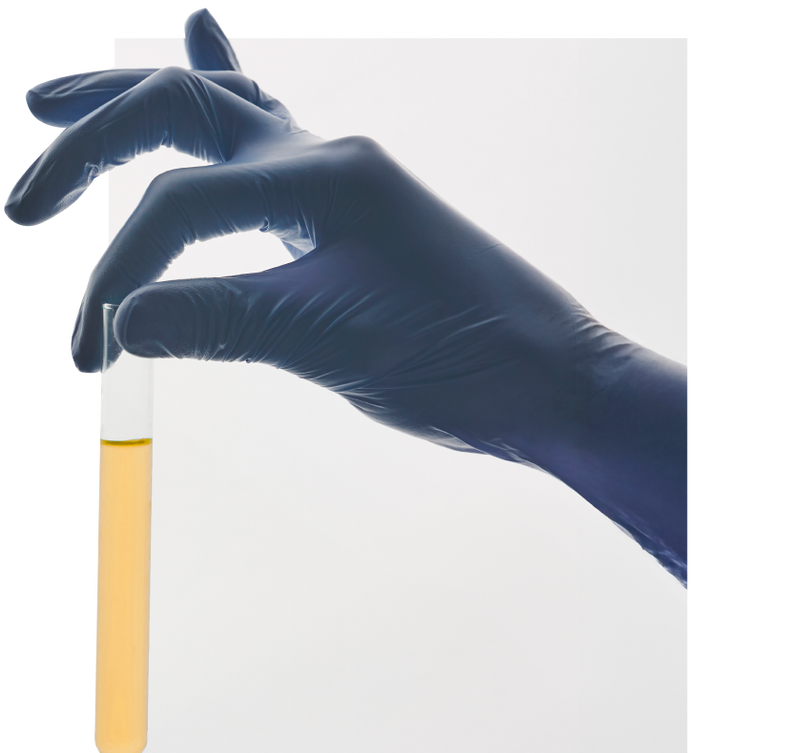
Independent testing is one of the most important indicators of product quality and safety. Verified lab reports can confirm cannabinoid content and screen for contaminants such as pesticides, heavy metals, or solvents. Brands that openly share this information often prioritize accountability and product integrity.
Quality Of Ingredients
In addition to the CBD itself, pay attention to the full list of ingredients. Gummies made with natural flavors, organic sweeteners, and without artificial additives may be more appealing to those seeking clean wellness choices. It's also helpful to consider whether the product is vegan, gluten-free, or allergen-conscious based on personal preferences.
Company Reputation And Manufacturing Practices
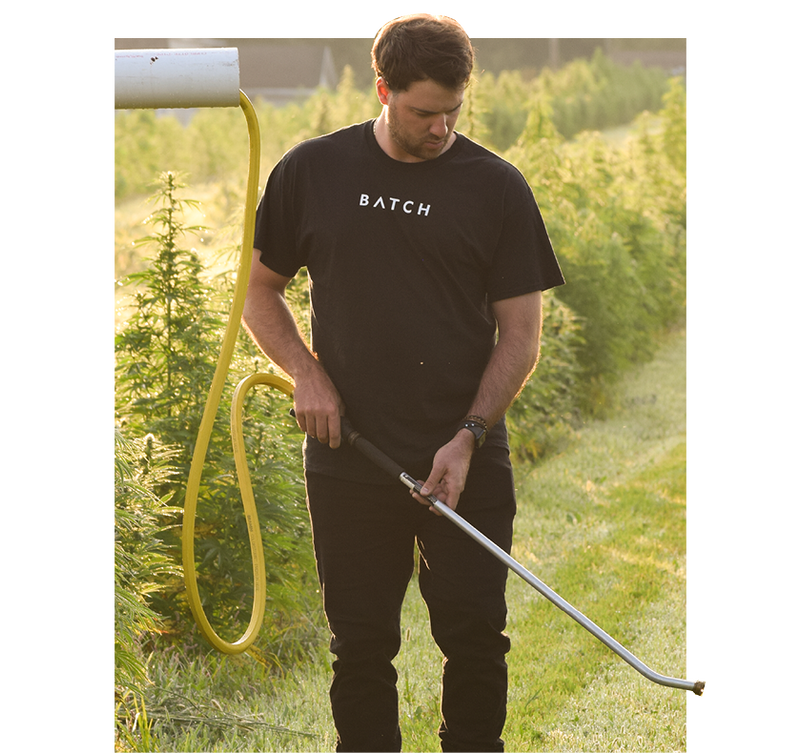
Brands that manage their processes from sourcing to formulation, such as in-house extraction or small-batch production, may offer a higher level of quality control. Customer reviews and brand transparency also provide helpful insight into how a company approaches its products. Those new to CBD gummies no THC may want to start with companies that prioritize education and consumer support.
How To Use CBD Gummies Without THC For Best Results
Adding CBD gummies no THC into a daily routine may be simple, but thoughtful use can help support a more consistent experience. While there’s no one-size-fits-all approach, a few general practices may help make the most out of a THC-free CBD routine. Here are some considerations to keep in mind:
- Start Low and Go Slow: For those new to CBD, it’s often recommended to begin with a lower serving size and observe how the body responds over time. This approach may help minimize sensitivities and allow for gradual adjustments if needed. Everyone’s experience is different, and a slower start may lead to more comfortable outcomes.
- Be Consistent with Timing: CBD gummies typically take longer to take effect due to the digestion process. Taking them around the same time each day may help support more predictable results. Consistency is often key when establishing a routine with hemp-based products.
- Monitor Personal Response: Keeping track of how the body responds after taking THC-free CBD gummies may offer helpful insight into individual preferences. Noting the time of day, dosage, and overall experience can make it easier to adjust usage if needed. This kind of self-awareness may also be beneficial when discussing CBD with a healthcare provider as part of a broader wellness plan.
Read also:
Sources:
- MacCallum, C. A., Lo, L. A., Pistawka, C. A., & Boivin, M. (2022). A Clinical Framework for Evaluating Cannabis Product Quality and Safety. Cannabis and Cannabinoid Research, 8(3). https://doi.org/10.1089/can.2021.0137
- Nava, V., Ambrogina Albergamo, Bartolomeo, G., Rando, R., Litrenta, F., Giovanna Lo Vecchio, Mario Concetto Giorgianni, & Cicero, N. (2022). Monitoring Cannabinoids and the Safety of the Trace Element Profile of Light Cannabis sativa L. from Different Varieties and Geographical Origin. Toxics, 10(12), 758–758. https://doi.org/10.3390/toxics10120758
- Sholler, D. J., Schoene, L., & Spindle, T. R. (2020). Therapeutic Efficacy of Cannabidiol (CBD): a Review of the Evidence From Clinical Trials and Human Laboratory Studies. Current Addiction Reports, 7(3), 405–412. https://doi.org/10.1007/s40429-020-00326-8


 Sleep
Sleep


 Observer
 Merry Jane
 People
 Pop Sugar
 Cosmopolitan